
Hyperbaric Therapy for Lyme Disease: What Research Shows
Because oxygen plays an important role in cellular health and immune function, some people explore oxygen therapy for Lyme as part of a broader wellness strategy. Researchers have also studied how increased oxygen levels may influence the body’s ability to support healing.
This article explains what Lyme disease is, how oxygen affects the body, and what current research suggests about hyperbaric oxygen therapy.
What Is Lyme Disease?
Lyme disease is an infection caused by the bacterium Borrelia burgdorferi, which is typically transmitted through the bite of an infected tick.
Early symptoms may include:
- Fatigue
- Fever or chills
- Joint pain
- Headaches
- Muscle aches
- Skin rash
If left untreated, Lyme disease can affect the nervous system, joints, and other parts of the body. Some individuals continue to experience lingering symptoms even after treatment.
Because symptoms can vary widely, many people explore additional ways to support their health while recovering from Lyme disease.
Why Oxygen Is Important for Cellular Health
Oxygen plays a critical role in the body’s ability to produce energy, repair tissues, and maintain normal immune system activity.
Cells use oxygen to generate energy that supports:
- Tissue repair
- Immune response
- Circulation
- Brain function
When oxygen delivery improves, cells may function more efficiently. This is why therapies that increase oxygen availability are sometimes explored in various wellness settings.
How Hyperbaric Oxygen Therapy Works
Hyperbaric oxygen therapy (HBOT) allows the body to absorb higher levels of oxygen than normal by increasing air pressure inside a specialized chamber.
Under these conditions, oxygen dissolves into the blood plasma and body fluids more effectively. This allows oxygen to travel deeper into tissues throughout the body.
By increasing oxygen availability, hyperbaric therapy may help support several biological processes involved in healing and recovery.
Research on Hyperbaric Therapy for Lyme Disease
Interest in hyperbaric therapy Lyme disease research began several decades ago when scientists began studying how oxygen levels influence bacterial environments.
Some laboratory studies suggested that certain bacteria may not thrive in oxygen-rich environments. This led researchers to investigate whether increased oxygen exposure could play a role in supporting recovery.
Several clinical observations and small studies have explored how hyperbaric oxygen therapy might affect individuals dealing with persistent Lyme symptoms.
These studies have examined whether increased oxygen delivery may help support:
- Tissue oxygenation
- Circulation
- Immune system activity
- Inflammation regulation
While research continues, some individuals exploring oxygen therapy Lyme support choose hyperbaric therapy as part of a comprehensive wellness approach.
Why Some People Explore Oxygen Therapy for Lyme
People researching hyperbaric therapy Lyme disease are often looking for ways to support their overall health and recovery.
Some individuals explore hyperbaric therapy to potentially support:
- Healthy oxygen delivery to tissues
- Circulation and cellular energy
- Reduced inflammation
- Immune system balance
- General wellness and recovery
Hyperbaric therapy is typically used alongside other wellness practices and medical guidance rather than as a replacement for medical care.
What Happens During a Hyperbaric Therapy Session?
For individuals considering oxygen therapy for Lyme, sessions are generally calm and relaxing.
During a session:
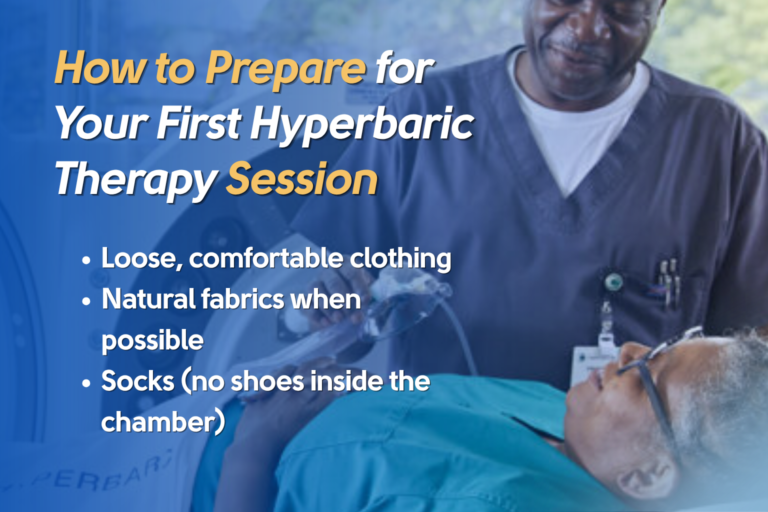
- You relax inside a soft hyperbaric chamber
- The chamber pressure gradually increases
- You breathe oxygen-rich air while resting
Sessions usually last between 60 and 90 minutes.
Many people use the time to relax, listen to music played through the room’s speaker system, write, journal, or play quiet games such as cards.
After the session, the chamber slowly returns to normal pressure.
Is Hyperbaric Therapy Safe?
Mild hyperbaric therapy is designed to be comfortable and relaxing. Before beginning sessions, providers typically review:
- Medical history
- Current health conditions
- Safety considerations
This helps ensure hyperbaric therapy is appropriate for each individual.
Supporting Recovery from Lyme Disease
Lyme disease can affect each person differently, and recovery often requires a comprehensive approach.
Many individuals focus on:
- Following medical guidance
- Supporting immune health
- Maintaining proper nutrition
- Encouraging healthy circulation
- Allowing time for recovery
Learning more about how oxygen supports cellular function may help individuals better understand why some people explore hyperbaric oxygen therapy as part of their wellness routine.
Learning More About Oxygen Therapy
If you are researching hyperbaric therapy Lyme disease support, understanding how oxygen affects cellular health may help you make informed decisions about your wellness journey.
Oxygen plays a vital role in the body’s natural healing processes, and exploring therapies that support oxygen delivery can be an important part of learning about recovery options. Book your free consultation with Healing with Hyperbarics in Blairsville, GA.